Deeply rooted in Senegalese beauty rituals, facial care today combines contemporary techniques with natural products from the local terroir: shea butter, baobab oil, moringa, hibiscus (bissap), and red clay.
History and identity of facial care in Senegal
Long before modern institutes, the Senegalese peoples — Sérères, Lébous, Fulani, or Mandinka — already used plants, oils, and mineral powders to purify the skin, protect themselves from the sun, or prepare brides.
Thiouraye (traditional perfume), ndaax (black soap), bissap, shea butter, or clay were part of daily beauty routines.
With the modernization of cities in the 1970s–1990s, the first beauty institutes appeared in Plateau, Almadies, and Thiès, combining traditional care with international techniques.
Today, the sector has become professional: training, certifications, products adapted to African skin types, and modern technologies (dermaplaning, microdermabrasion, LED therapy).
Professional life and beauty rituals
In salons across the country, the facial is a true ritual:
Skin analysis,
Deep cleansing,
Exfoliation,
Gentle extraction,
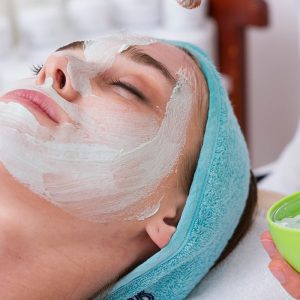
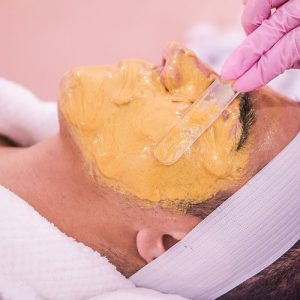
Customized mask,
Facial massage inspired by African techniques (pressure, drainage, circular motions),
Application of natural oils and protective creams.
Senegalese beauticians are recognized for their expertise with dark and mixed skin tones, whether for pigmentation spots, acne, hyperseborrhea, or dehydration.
The facial is also a social moment: amid conversation, relaxation, and sharing, it is part of a growing urban and feminine lifestyle.
Most common types of facial treatments
Hydrating facial: ideal for dryness caused by hot weather and winds.
Radiance facial: based on fruit acids, bissap, or vitamin C.
Purifying facial: clay mask, activated charcoal, perfect for combination or oily skin.
Anti-aging facial: collagen, hyaluronic acid, radiofrequency.
Traditional natural facial: shea butter, coconut oil, baobab powder.
Men’s facial: beard care + exfoliation + intense hydration.
Iconic places to get a facial
Dakar (Plateau, Sacré-Cœur, Almadies, Mermoz): modern institutes, high-end spas.
Saly / Petite Côte: hotel-spas, seaside centers, relaxing treatments.
Thiès / Saint-Louis: traditional institutes, highly appreciated natural treatments.
Ziguinchor / Casamance: rituals inspired by local botanical secrets.
Hotels, wellness centers, and neighborhood institutes offer treatments for all budgets.
Anecdotes about facial care
Many local beauticians first learn through family rituals before being trained in professional schools.
In Dakar, some institutes still use ancestral recipes, such as bissap or baobab powder masks.
Facial massage inspired by ndop (traditional care) is known to provide an immediate natural lifting effect.
What to do in a facial care institute?
Enjoy a quick or complete hydrating facial.
Book a radiance ritual + relaxing facial massage.
Discover Senegalese natural products (shea, baobab, moringa).
Get a full purifying treatment if you have combination or acne-prone skin.
Opt for a pre-wedding facial or a “glow” session before an event.
Add a pedicure or massage for a complete wellness moment.
Practical information
Average duration: 45 minutes to 1h30 depending on the treatment.
Average price: varies greatly, from 8,000 FCFA to 35,000 FCFA depending on the institute and type of treatment.
Booking: online or on-site; a deposit is often required for high-end spas.
Tip: avoid makeup immediately after; hydration and sun protection are recommended.
FAQ – Facial care
Why get a facial?
To cleanse, purify, hydrate, brighten, and prevent imperfections.
Which treatments are suitable for African skin?
Hydrating, radiance, purifying, or natural treatments (shea, clay, baobab). Beauticians are trained for the specific needs of darker skin.
How often?
Every 3 to 5 weeks for optimal maintenance.
Can you get a facial if you have acne?
Yes, but prefer purifying or anti-blemish treatments without harsh products.
Is booking necessary?
Recommended, especially on weekends or in high-end institutes.